
Newsom signs Pacheco bill extending public records response times
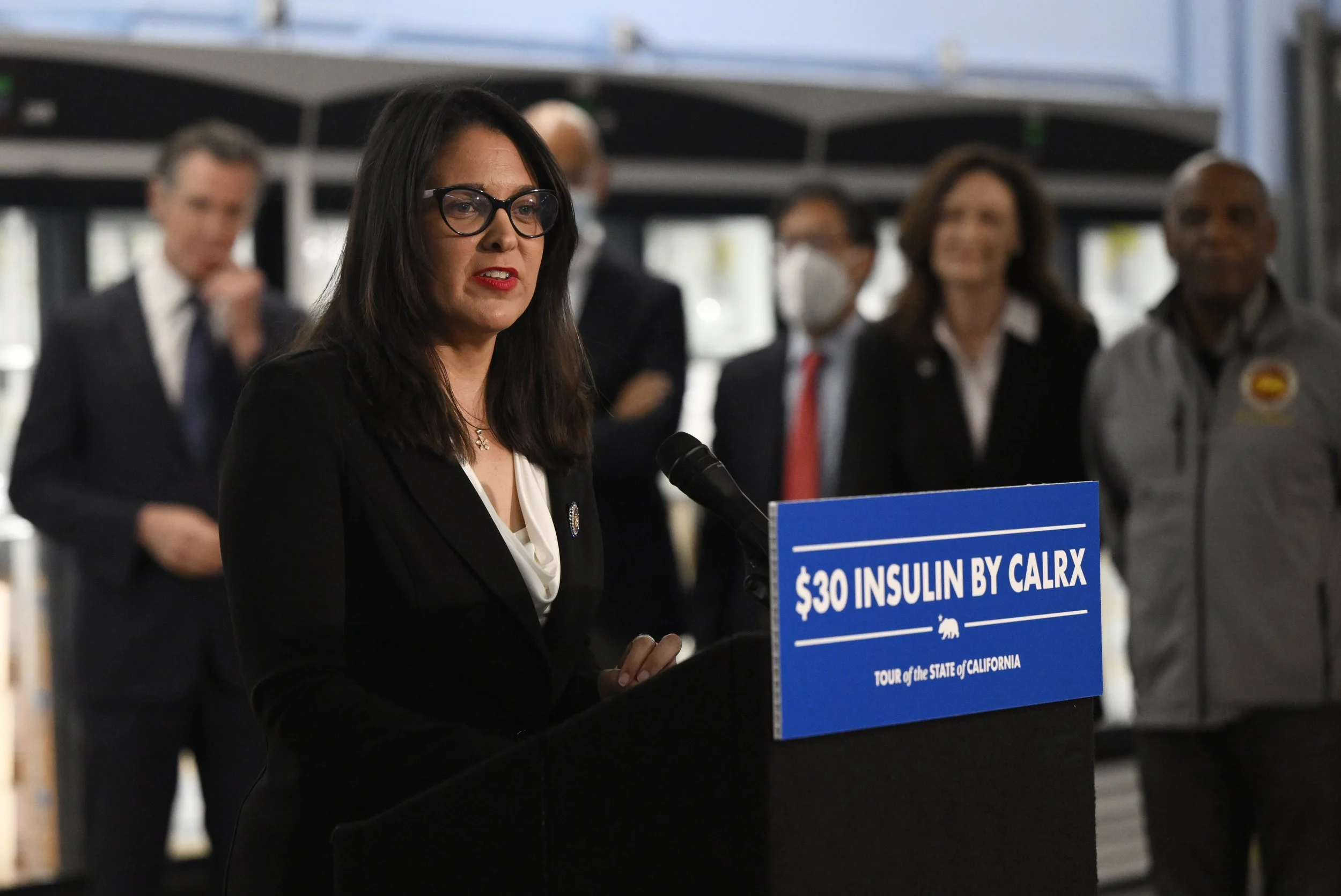
DOWNEY – Gov. Gavin Newsom has signed legislation by Assemblywoman Blanca Pacheco giving California government agencies more time to issue initial responses to public records requests.
Newsom signed Assembly Bill 1821 on Sept. 30. The law changes the response deadline under the California Public Records Act from 10 calendar days to 10 business days.
It also changes the additional time agencies may claim under specified unusual circumstances from 14 calendar days to 14 business days. Excluding weekends and holidays means residents, journalists and other requesters could wait longer for an agency’s determination.
The deadlines govern an agency’s initial decision about whether it possesses records subject to disclosure. They are not deadlines for delivering the records. Agencies that determine records are disclosable must provide an estimated date and time when they will be available.
Pacheco, a Downey Democrat, argued during the legislative process that the change would align response deadlines with agencies’ working hours while helping them manage increasingly large and complex requests.
In a statement included in a Senate Judiciary Committee analysis, Pacheco said digital communication has made submitting high volumes of requests easier, with some requiring substantial staff time. She argued that agencies must balance those demands with providing other public services.
Supporters included the California Municipal Clerks Association, the California Special Districts Association and numerous local governments. Norwalk and Bellflower were among the cities listed in support in the committee’s June analysis.
Transparency advocates opposed extending the deadlines, arguing that access to government information already suffers from delays.
The First Amendment Coalition said the initial response is a threshold communication about whether records exist and will be disclosed, rather than the production of the records themselves. The organization argued that allowing additional time would undermine prompt public access.
The bill was substantially narrowed during the legislative process. Earlier proposals involving additional fees and other restrictions drew broad opposition, and those provisions were removed before the legislation reached Newsom.
The signed law retains requirements that agencies claiming an extension provide written notice explaining the reasons and identifying when a determination is expected.